Search result for “...”


.avif)
.avif)
.avif)
.avif)
.avif)
.avif)
.avif)
.avif)
.avif)
.avif)
.avif)
.avif)
.avif)
.avif)

.avif)
.avif)
.avif)
.avif)
.avif)
.avif)
.avif)
.avif)
.avif)
.png)
.avif)
.avif)
.avif)
.avif)
.avif)
.avif)
.avif)
.avif)
.avif)
.avif)
.avif)
.avif)
.avif)



.png)

.avif)
.avif)

How to Scope an EHR Integration in One Discovery Call: The Nine Questions
Nine questions that scope an EHR integration in one discovery call, from who authenticates to clinical notes, BAAs and scale.

Clinical Notes in EHR Integrations: What Actually Comes Through and What Does Not
Which clinical notes a clinical data integration pulls from the EHR and when de-identifying them becomes a separate build.

EHR Connection Paths Compared: Direct FHIR, Gateway, Aggregator, or Integration Engine
A quick-reference comparison of the four EHR integration paths and which one fits your product's authentication model.
Multi-Device Wearable Data: How to Normalize It and Decide Which Source Wins
How to merge wearable data from several devices into one reliable record per metric, with overlap rules per data type that survive reprocessing.
.png)
Data Ownership in Wearable Health Products: Who Owns the Data and What You Build on It
Data ownership for wearable health products: who owns raw data and derived scores, and how to keep both when you switch vendors.
%201.png)
Open Wearables 0.9.0: The Google Split, a Renamed Energy Series, and an API That Does What It Says
Open Wearables 0.9.0 splits Google into two providers, renames energy to active_energy, and fixes inflated Google Health API energy data.
Open Wearables 0.8.0: Withings, sync history, and a platform built to run in production
Open Wearables 0.8.0 adds Withings, historical sync tracking, 3.7x faster ingestion, 5 GiB Apple Health imports, and four security fixes.

Data Residency Is an Architecture Decision, Not a Server Location
Data residency requirements reshape how you deploy, not just where data sits. What changes in health data architecture, and what it costs.
Apple Watch Series 12 and iOS 27: What's New in Apple Health, and the New RMSSD Type in HealthKit
Apple Watch Series 12 adds denser HRV sampling and iOS 27 adds an RMSSD type to HealthKit. What it means for health apps.

What Ten Months of Git History Says About AI Coding Agent Productivity
We measured AI coding agent productivity across 392 pull requests, and what it means for teams shipping regulated health software.

Self-Hosted Open Wearables or Signal: How to Tell Which One You Need
When a self-hosted wearable API is enough on its own, and when a delivery engagement is the cheaper path. An honest decision guide.

The Fitbit Web API Shuts Down in September 2026: What Your Health App Has to Migrate
The Fitbit Web API is deprecated in September 2026. What breaks, what the Google Health API migration involves, and how to sequence it.
.png)
Open Wearables 0.7.0: a Google Health API integration built for the Fitbit sunset
Open Wearables 0.7.0 adds a Google Health API integration built for the Fitbit sunset, plus Sensor Bio, faster Admin UI, and better data provenance.
.png)
Buying Clinical Data for AI: The Legal Basis Question Most Teams Miss
Treatment-purpose health data and patient-consented data aren't interchangeable for AI training. Here's the distinction teams miss.
.png)
FHIR vs. Proprietary API: Why the Second EHR Integration Is Cheap and the First Proprietary One Isn't
FHIR integrations get cheaper with each new vendor. Proprietary APIs don't. Here's why, and how to budget for both.

Is Your Company Ready to Meet EU AI Act Requirements?
EU AI Act deadlines, risk categories, GPAI obligations, and penalties explained. What your company must do before August 2, 2026.

Healthcare Mobile App Development: What to Check Before You Pick a Partner
Momentum handles healthcare mobile app development: patient engagement, telemedicine, and wearables-connected apps. HIPAA-compliant from day one.

AI Agent Compliance in Healthcare: What a Defensible Architecture Actually Requires
AI agent compliance in healthcare needs more than a smart model. Here's what a defensible architecture requires, from provider to audit trail.

How to Add a Wearable API to an App That Already Has a Backend
Most wearable API integrations aren't greenfield. How Heart Monitor added one to a live GraphQL backend in about a week.
EHR Integration Timeline: What Actually Sets the Clock
An EHR integration timeline is set before you write code: who authenticates, the legal basis, and how you connect. Here is the real map.

Self-Hosted Infrastructure and Health Data Compliance: What It Actually Solves
Self-hosting settles who touches your data, but health data compliance still needs its own controls. Here's what changes and what doesn't.

Nap Detection for Wearable Health Apps
Apple and Oura now surface nap data through Open Wearables. What it means for health products that use sleep as a signal.

Garmin's Developer Program Is Paused: What It Means for Your Roadmap
Garmin's developer program has paused new applications. Here's what's paused, what still works, and how teams are planning around it.

Wearable API Integration: Why Teams Outgrow SaaS Aggregators
Cost and webhook latency push teams past SaaS wearable APIs like Terra and Spike. What we hear from them, and how a migration actually works.

Predictive Analytics in Healthcare: How AI Is Transforming Patient Monitoring and Care Delivery
How AI and IoMT data are shifting healthcare from reactive to proactive care - reducing readmissions and improving patient outcomes.
The Future of Telemedicine in 2026: What HealthTech Builders Need to Know
How AI, IoMT, and predictive analytics are reshaping healthcare delivery in 2026 - and what HealthTech builders need to know.
Open Wearables 0.6.2: Wearable Data Accuracy for Multi-Device Health Apps
Open Wearables 0.6.2 improves wearable data accuracy for multi-device apps: correct step counts, native active minutes, and reliable sleep sessions.
.png)
Open Wearables in Production: How Heart Monitor Self-Hosts Its Wearable Data
See Open Wearables run in production at Heart Monitor: one self-hosted API for Garmin, Polar, Apple Health and more, all health data owned.
.png)
Open Wearables 0.6.1: Data Coverage & Observability
Open Wearables 0.6.1 adds a Data Coverage tab, pull sync lookback, webhook observability improvements, and provider bug fixes.
.avif)
Open Wearables 0.6.0: Women's Health & FIT Files
Open Wearables 0.6.0 adds Garmin menstrual cycle tracking, and FIT files.

What It Takes to Build a Wearable Health App With Signal
Most founders underestimate what building a wearable health app involves. Here's what the full build requires and how Signal delivers it.
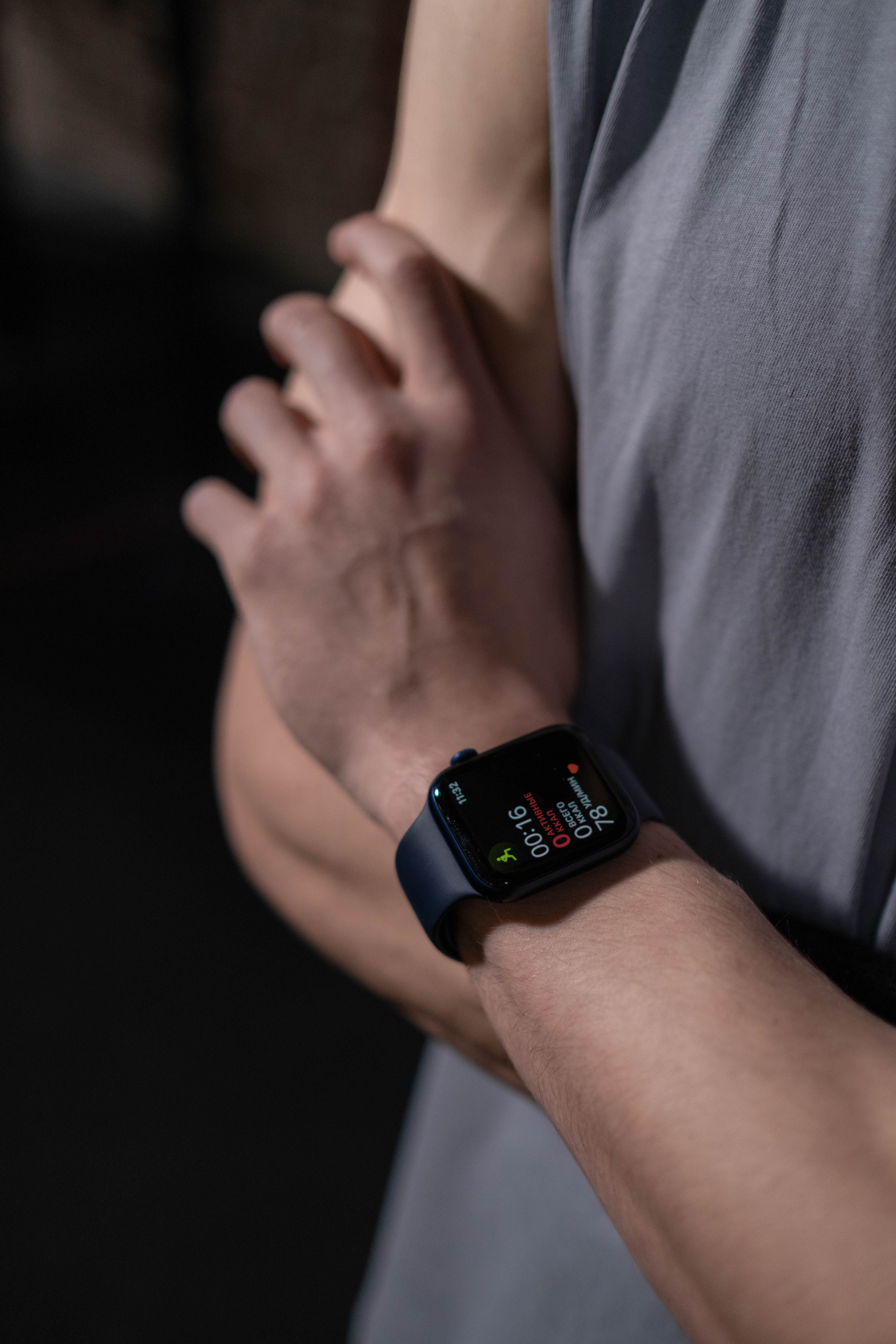
What we Learned Building Wearable Integrations, Packaged Into Signal
After dozens of wearable integrations, we identified three production problems no quickstart guide covers. Here's what we learned and how it shaped Signal.
Introducing Signal: Wearable Health Intelligence in Your App
Signal is Momentum's delivery framework for wearable health intelligence. From raw wearable data to AI coaching in weeks.
.avif)
Open Wearables 0.5.2: Polar Refactor, Expanded Sport Types, and Stricter HRV Data Integrity
Open Wearables 0.5.2 ships a full Polar refactor with webhook support, 70+ sport type mappings, and strict RMSSD enforcement for more reliable HRV scores.

How to Build an AI Assistant That Understands Wearable Health Data
How to build an AI health assistant on top of wearable data: the three functions buyers ask for and the architecture that makes them work.
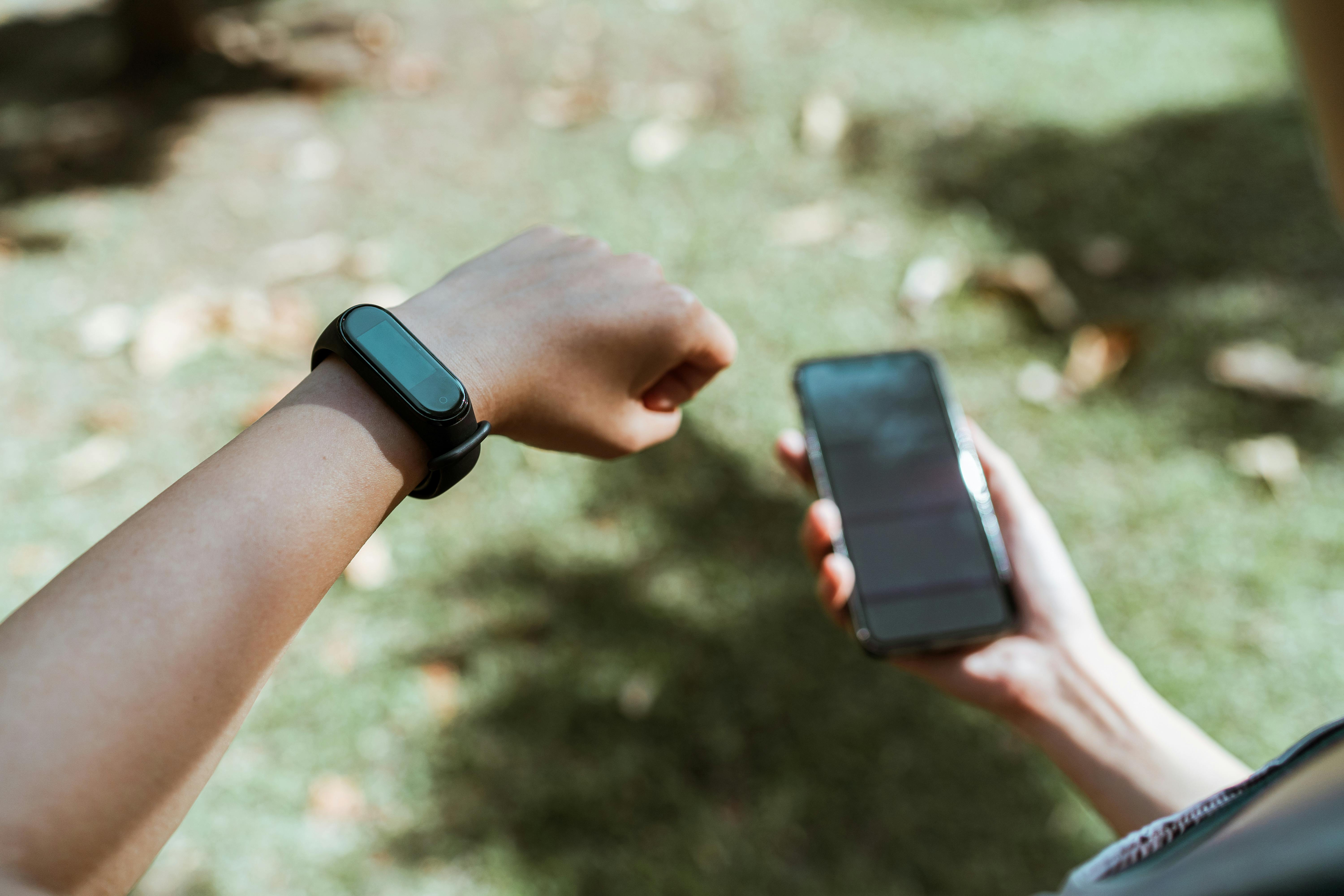
How to Implement OAuth for a Multi-Wearables App
What it takes to ship OAuth for Garmin, Polar, Suunto, Whoop, Oura, and Strava in one app. The hidden cost and a faster path with Open Wearables.

How to Build Real-Time Alerts for Wearable Data with Webhooks
How to build real-time health alerts on top of wearable data: incoming webhooks, outgoing sync events, and the OW + product layer split.
Open Wearables 0.5.1: Oura & Strava Webhooks and Live Sync Status
Open Wearables 0.5.1 ships webhook support for Oura and Strava, real-time sync status.
How We Got #2 on Product Hunt: Open Wearables Launch Recap
How Open Wearables hit #2 Product of the Day with 600+ upvotes and 308 comments. Full launch recap with data and channel breakdowns.
Open Wearables 0.5.0: Introducing Webhooks
Open Wearables 0.5.0 ships a full outgoing webhook infrastructure, incoming webhooks for Whoop and Suunto

Dexcom API Integration: A Developer's Guide to CGM Data in Health Apps
How to integrate the Dexcom API into health apps: OAuth 2.0 setup, CGM endpoints, glucose data structures and multi-device architecture patterns.

Healthcare Cloud Migration: A Technical Playbook for CTOs
Migrate clinical systems to cloud: PHI data mapping, HIPAA controls, dual-write zero-downtime patterns, AWS HealthLake setup, and post-migration validation
Healthcare App Design: UI Patterns, Components, and Design Systems
Healthcare UI components and design systems: alert hierarchies, clinical data visualization, accessibility token architecture.

AI Agents for Healthcare: Architecture, Safety Patterns, and Implementation Guide
Build AI agents for healthcare: MCP protocol for FHIR access, tool use patterns, clinical safety guardrails, and human-in-the-loop architecture.
Healthcare UX Design: Principles for Building Patient and Provider Apps
Healthcare UX design principles for clinical products: health literacy, provider dashboard hierarchy, patient interaction patterns, and WCAG accessibility.

Patient Portal Development: Build vs. Buy for Healthcare Startups
Patient portal development: when to build custom, when to buy off-the-shelf, why EHR integration depth determines your feature ceiling and long-term cost

mHealth App Development: From Architecture to App Store Approval
How to build a clinical mHealth app: FDA SaMD pathways, data architecture for research-grade collection, Apple Health integration, app store submission.

Fitness App Development With Wearable Integration: A Coaching Platform Guide
Build a fitness coaching app with wearable integration: Open Wearables data layer, training load scoring, coach dashboards, realistic MVP cost estimates.

Healthcare Workflow Automation: A Developer's Guide to Reducing Admin Burden
Automate scheduling, auth, referrals, and billing in healthcare apps. Architecture patterns, EHR integration requirements, AI agent use cases included.

EHR Data Migration: A Complete Guide for Healthcare Teams
How to plan EHR data migration: assessment, PHI protections, zero-downtime patterns, and validation for Epic, Cerner, and Athena moves.
%20(1).avif)
Building AI Features on Health Data: Momentum's Implementation Process
How Momentum builds AI features for health products: health scores, anomaly detection, risk stratification. Realistic timelines: 8 to 20 weeks.
.avif)
Healthcare Interoperability Solutions: How Momentum Builds FHIR-Compliant Data Pipelines
Momentum builds FHIR-compliant data pipelines: EHR integrations, HL7 v2, CDS Hooks, and SMART on FHIR across Epic, Cerner, and 5 more EHR systems.
.avif)
HealthTech Software Development Services: What You Get When You Work With Momentum
Momentum builds HIPAA-compliant health apps, EHR integrations, and wearable backends for healthtech startups.
.avif)
EHR Integration Services for Health Apps: Patient-Facing and Provider-Facing
Momentum builds EHR integrations for health apps: patient-facing (SMART on FHIR) and provider-facing (HL7 v2, system-to-system FHIR).
The Science Behind Wearables: Health Science Newsletter
The Science Behind Wearables covers HRV, PPG accuracy, and sleep staging for health enthusiasts and product builders.
Open Wearables 0.4.3: Health Scores Ship Natively
Open Wearables 0.4.3 ships Sleep Score and Resilience Score with open algorithms anyone can audit. Plus outgoing webhooks for real-time event streaming.
.avif)
Gematik ePA Integration Guide for App Developers
How to integrate with Germany's national ePA health record. Two paths: Third-Party ePA App and DiGA. Covers FHIR R4, gematik IDP, consent, and timelines.
%2520(1).avif)
Healthcare Software Development: The Complete Guide (2026)
What digital health software development takes: compliant, scalable healthcare software covering UX, web, mobile, EHR, wearables, and AI.
.avif)
Apple Watch Heart Rate Accuracy: What an 82-Study Meta-Analysis Found
A 2026 Nature systematic review of 82 studies and 430,052 participants measured Apple Watch accuracy across 14 health metrics. Here's what the data shows.
.avif)
Heart Rate Variability: What It Is and Why It Matters
Learn how heart rate variability works, what shapes your HRV score, and why it matters for longevity and overall health.
.avif)
HIPAA Compliance, SLAs, and Enterprise Support for Wearable Health Infrastructure
Enterprise support for wearable health infrastructure: incident response SLAs, HIPAA hosting, custom deployments, and audit documentation.
.avif)
Wearable Platform Operations: What Enterprise Support Looks Like After You Launch
What Momentum's support service covers for Open Wearables: hosting, SLA tiers, incident response, security patches, and scaling.
.avif)
What It Takes to Build Reliable Health Scores From Wearable Data
Why vendor health scores fail clinical standards and what a properly designed scoring model requires, including neuroscientist validation.
.png)
Moving Off a SaaS Wearable Platform: What the Migration Actually Looks Like
A technical guide to migrating from Terra, Vital, or Rook to Open Wearables: SDK swap, data validation, and zero-downtime cutover.
.png)
Wearable Infrastructure Setup With Open Wearables: From Zero to Production Data in Weeks
What Momentum deploys when setting up wearable infrastructure: providers, SDK integration, HIPAA compliance, and what you get at the end.
.avif)
What Wearable Health Product Development Actually Requires
Why wearables development is harder than teams expect, what expertise it requires.
.avif)
Compliance for Healthcare Startups: What to Prioritize
Which compliance framework should your healthcare startup pursue first? HIPAA, SOC 2, GDPR, or ISO 13485 - how to decide.
.avif)
Inside Our Compliance Stack
How HealthStack infrastructure and Vanta monitoring work together to maintain continuous compliance across HIPAA, SOC 2, and GDPR.
.avif)
Why Manual Compliance Fails at Scale
Manual compliance tracking breaks when healthcare companies scale to a second framework or product. Five failure modes - and how to fix them.

Momentum Partners With Vanta to Automate Healthcare Compliance
Momentum x Vanta: automated compliance for HIPAA, GDPR, SOC 2, and 50+ frameworks, with continuous monitoring and evidence collection.
.avif)
Open Wearables 0.4: Oura Ring, React Native SDK
Open Wearables 0.4 adds Oura Ring integration, React Native SDK, raw payload storage, provider disconnect, production infrastructure.

GDPR Consent Requirements for Health Data
How GDPR consent works for health data. Explicit consent requirements, when consent is needed, how to implement consent management in healthcare software.
.avif)
We're Sponsoring the OOP Healthcare Hardware Hackathon
Momentum is a tool sponsor at Out of Pocket's Healthcare Hardware Hackathon, April 17-19 in San Francisco. Here's what teams get from Open Wearables
.avif)
What Is SDNN? HRV Accuracy in Wrist-Worn Wearables
SDNN is a core HRV metric, but wrist PPG sensors can measure it 12x less accurately based on contact pressure. What health product builders need to know.

ISO 13485 Internal Audit Checklist for Software Companies
ISO 13485 internal audit checklist for software companies. What to audit, common nonconformities, and how to prepare from a certified medical device
Medical Device Certification: ISO 13485, MDR, and FDA - How the Three Systems Fit Together
ISO 13485 is your QMS foundation. EU MDR and FDA sit on top, not beside it. This guide covers the sequence and what each framework requires from your team.
Open Wearables 0.3: Android support, Google Health Connect, Samsung Health
Open Wearables 0.3: Android Health Connect, Samsung Health, Railway deployment, and Garmin reliability overhaul.

GDPR for HealthTech: What US-Based Health App Companies Need to Know
GDPR explained for US-based health app companies entering European markets. When it applies, what health data rules mean, and how to build products.

Oura's Women's Health AI Model: What It Signals About the Future of Wearable Data
Oura built an AI model for women's health: cycles, fertility, and menopause. Here's what the gender data gap means for developers building health apps.

How We Made Open Wearables Deployable in One Click
Deploy Open Wearables' 7-service stack with one click on Railway. PostgreSQL, FastAPI, Redis, Celery workers, and monitoring - pre-configured, no wiring.

HIPAA-Compliant Software Development Checklist for HealthTech Startups
Complete HIPAA-compliant software development checklist for startups. Technical safeguards, infrastructure requirements, and BAA checklist from a healthcar

We Open-Sourced a HIPAA Compliance Agent for AI Coding Assistants
A free, open-source HIPAA compliance agent for AI coding assistants. One .md file that enforces HIPAA-compliant patterns in Claude Code, Cursor, and other
HIPAA vs GDPR: What Digital Health Companies Need to Know
HIPAA breach notification: 60 days. GDPR: 72 hours. That gap can break your architecture. Full comparison with guidance on building for both markets.
Open Wearables 0.3.0-beta: Strava Integration, Apple Health SDK Maturation, and Data Source Priority
Open Wearables 0.3 Beta is here! Explore new Strava integration, Apple Health SDK maturation, and advanced data source priority for health app developers.

How Open Wearables MCP Server Connects Health Metrics to AI
Open Wearables MCP Server lets Claude Desktop and Cursor query wearable health data through natural language. Free, open-source, self-hosted.

ISO 13485 for Software Companies: What Healthcare Developers Need to Know
What ISO 13485 certification actually requires for software teams. Design controls, risk management, software validation, and documentation from a certifie

Your Wearable Collects 5 Million Data Points: Here's Why Almost None of It Gets Used
A single Apple Watch generates 5 million health measurements in 7 years. Here's what researchers are finding in wearable data, and why

Open Wearables FAQ: How to Integrate Multiple Wearables Without Vendor Lock-In
Free open-source wearable API. Integrate Apple Health, Garmin, Oura, Whoop without per-user fees or vendor lock-in. Self-hosted alternative to Terra API.
%201.avif)
Open Wearables 0.3 alpha: Flutter SDK for Apple Health and MCP Server Now Available
Open Wearables 0.3 alpha delivers Flutter SDK for Apple Health, MCP Server integration with Claude/ChatGPT, and redesigned dashboard for unified wearable d

Understanding CMS’s New ACCESS Model: A Guide for Tech-Enabled Providers
A practical guide to CMS’s new ACCESS Model for digital health providers. Learn how outcome-aligned payments work and how to meet FHIR and HIPAA requiremen
%201.avif)
Open Wearables 0.2.2: Production Stability and Extended Provider Support
Open Wearables 0.2.2 delivers production stability with Apple Health SDK fixes, stable Whoop sync, extended provider support, and new sleep summaries.

Design Controls for Medical Device Software: A Practical Guide
How design controls work for medical device software. Requirements traceability, design reviews, V&V testing, and change management from an ISO 13485-certi
.avif)
Open Wearables 0.2.1: Whoop Integration and Mobile SDK Authentication
Open Wearables 0.2.1 adds Whoop integration, mobile SDK user authentication, sleep summaries, and production-ready guides for building health apps faster.
.avif)
Open Wearables 0.2: Workout, Sleep, and Timeseries Support Now Live
Open Wearables 0.2 adds Sleep, Workout, and Timeseries endpoints with 59 data types, plus 870 production-ready tests.

Top 7 Mobile Health App Development Companies for Wearable Data Integration in 2026
Top 7 wearables integration companies for healthcare apps in 2026. Compare wearable data integration services, costs, and expertise.
.avif)
The Real Cost of Wearables Integration in 2025: Build vs Buy Analysis
Health data API pricing explained. Compare wearables API costs, SaaS platforms, and self-hosted open-source health data alternatives.
.avif)
Open Wearables 0.1: First Public Release Now Available
Launch announcement for Open Wearables 0.1, featuring unified wearable data API, OAuth integrations for Garmin, Suunto & Polar, plus developer portal.
.avif)
Wearable Data Integration: 8 Real-World Use Cases (2026)
Discover how health apps use wearable data integration to deliver personalized coaching, remote care, and clinical research. Save weeks of API integration.