

Key Takeaways
- Health apps that use sleep as a signal - for recovery, readiness, or coaching - now have access to nap data separately from full overnight sleep, without any changes to how they query the data layer.
- Treating a 20-minute nap the same as an 8-hour sleep session adds noise to every downstream calculation. Open Wearables now distinguishes between the two using explicit nap flags from Apple Health and Oura.
- Nap classification appears as an additional field on the existing sleep session record. No API changes needed - your application queries the same endpoints as before.
- For providers that do not flag naps natively, Open Wearables will develop its own detection algorithms in a future release, extending coverage beyond Apple and Oura.
- The latest Open Wearables release also adds Strava workout samples, structured HTTP logs, and an explicit enable/disable flag for outgoing webhooks.
Is Your HealthTech Product Built for Success in Digital Health?
.avif)
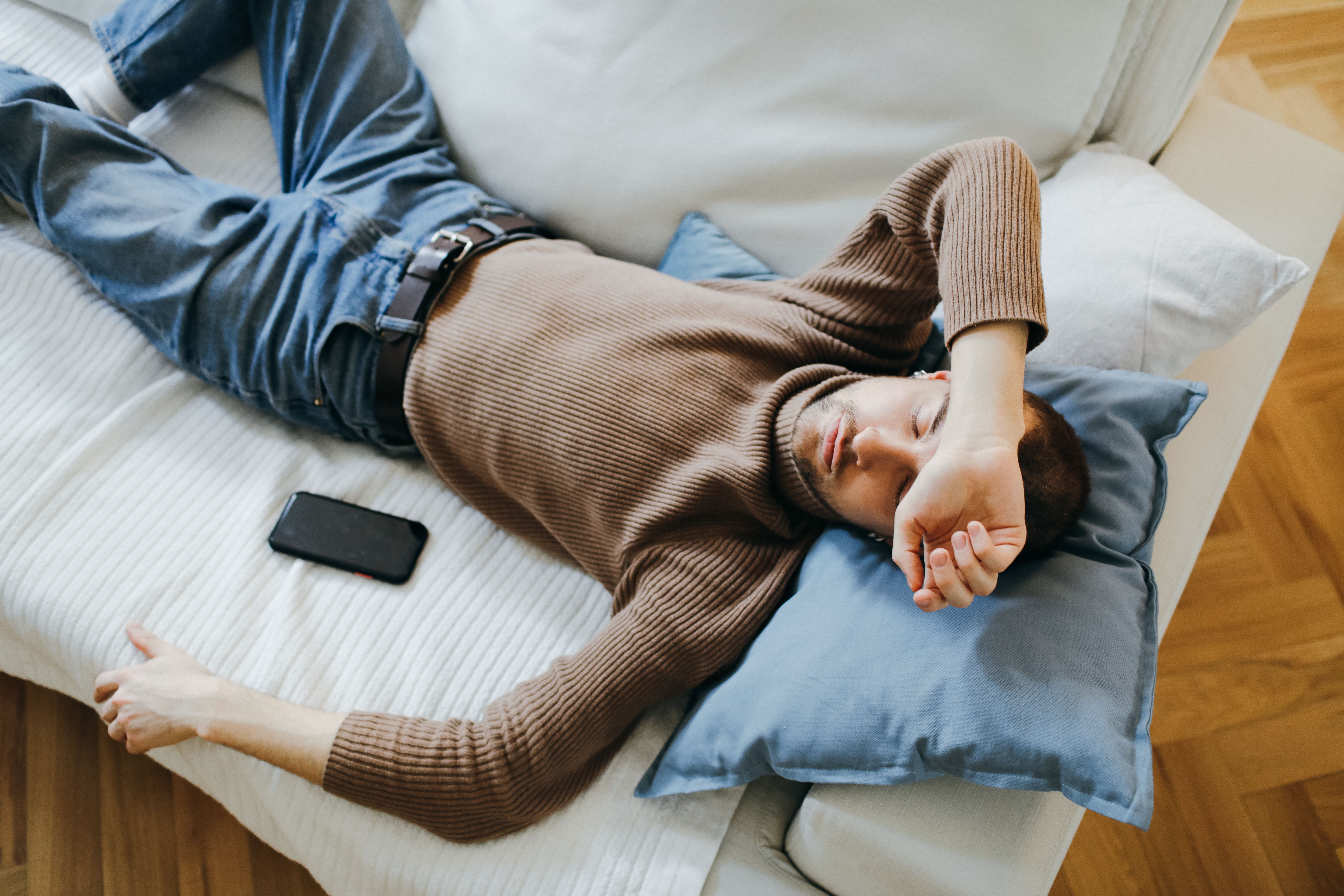
When a user takes an afternoon nap, that session shows up in their Apple Health or Oura data. Until now, Open Wearables ingested that session as a sleep record without distinguishing it from a full overnight sleep. That distinction is now made.
This matters for any product using sleep as a signal. Recovery scores, readiness metrics, sleep debt calculations, and coaching recommendations all behave differently depending on whether a session was a 25-minute nap or an 8-hour night of sleep. Treating both the same way adds noise to every downstream calculation.
Why Naps Are a Distinct Signal
A nap and a full night of sleep are not interchangeable events. They serve different roles in recovery, and aggregating them into a single daily sleep total obscures what is actually happening with a user's rest. When your data layer cannot tell the two apart, every downstream calculation that uses sleep as an input is working from an incomplete picture.
For health products, this matters at the point where data becomes insight. A coaching feature that tells a user they slept well because their total sleep time looks healthy - without knowing that a significant portion of that was a midday nap - is drawing the wrong conclusion. The same applies to readiness scores, sleep debt calculations, and any model that uses sleep as an input to a recommendation.
What Nap Data Changes in Practice
Apple and Oura both flag nap sessions explicitly in their data. Open Wearables now reads that flag and surfaces it as a boolean on the sleep session record. Your application queries the same sleep endpoints as before - nap classification is an additional field, not a new data type.
For health products, this opens a few concrete paths. You can separate nap sessions from full sleep sessions when computing weekly sleep debt. You can use nap presence as a signal in recovery or fatigue models. You can surface "you napped today" as a distinct event in a coaching interface rather than folding it into the nightly summary. None of these require changes to how your application pulls data from Open Wearables.
Support currently covers Apple and Oura. For providers that do not distinguish naps natively in their data, Open Wearables will develop its own detection algorithms in a future release.
Also in This Release
Nap detection shipped as part of Open Wearables 0.6.3, which also includes:
Strava workout samples - high-frequency sensor data from Strava workouts, matching the depth already available from Garmin.
Structured HTTP logs - logs are now JSON and controllable by log level, which reduces noise in production observability stacks.
Outgoing webhooks enable/disable flag - previously always active, outgoing webhooks are now off by default and require an explicit flag to enable.
Provider fixes across Apple, Oura, Suunto, Garmin, and Fitbit.
Full release notes on GitHub.
What Teams Are Building With This
Open Wearables handles the data layer: ingestion from providers, normalization, health scores, and AI-ready outputs. Nap detection is the kind of signal that makes health intelligence features more precise - coaching that accounts for how a user actually slept, recovery scores that distinguish a nap from a full night.
For teams with data flowing and working out what to build in the product layer, Signal is the framework Momentum builds on top of Open Wearables. Blueprint maps use cases, Foundation connects sources and deploys the intelligence layer, Intelligence lands coaching, insights, or dashboards in the application. If that matches where your team is, let's talk.
Frequently Asked Questions

.png)
%201.png)
